


What’s Happening This Week in Protect Our Planet News
World leaders moved to protect island nations threatened by rising seas, while battles over ship pollution could affect air quality near major ports.
Scientists also warned that coral reefs have less time to recover between marine heat waves, as a nor’easter brought flooding and erosion to the East Coast.
The common thread: what we protect today shapes what survives tomorrow.
🌎 Protection Is Not Abstract. You Can See It.
This week’s stories show environmental protection in action: cleaner air, stronger coastlines, healthier reefs, and protected wildlife habitat.
From vulnerable island nations to flooded East Coast communities and a historic sea turtle nest in California, the message is clear:
The threats are serious, but protection still matters.
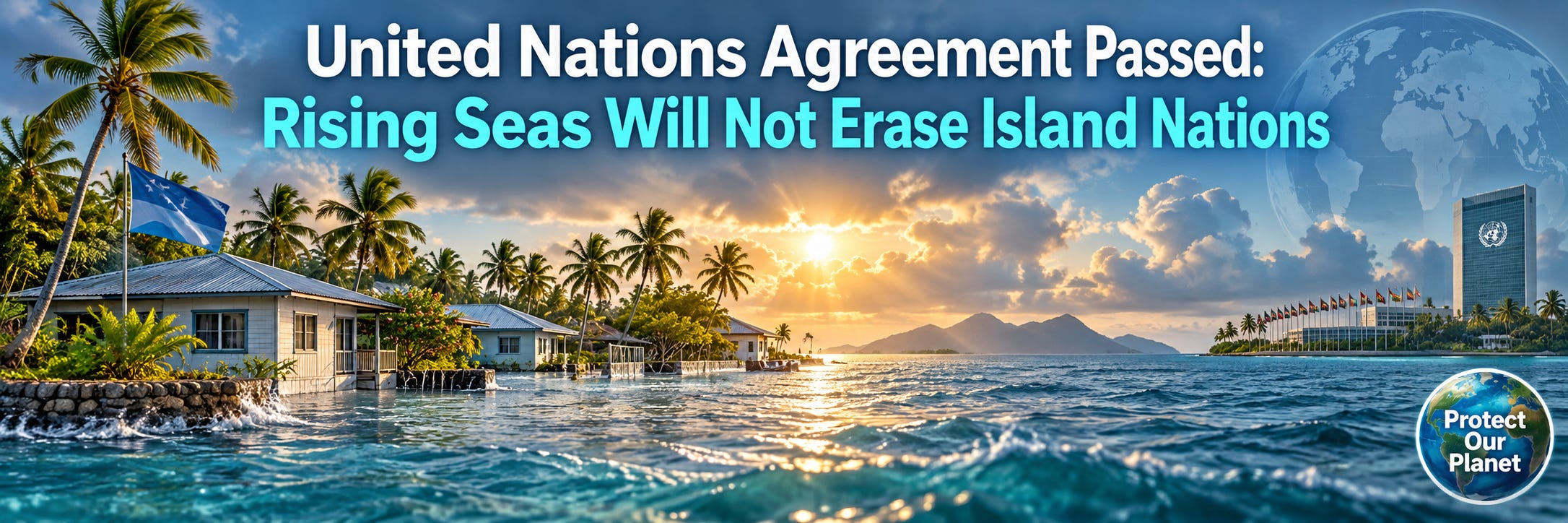
🌊 The Big Story: Rising Seas Will Not Erase Island Nations
World leaders unanimously approved the first United Nations declaration addressing the legal consequences of sea-level rise.
The agreement says nations threatened by rising oceans can maintain their statehood and maritime boundaries even if coastlines change dramatically or islands disappear beneath the sea. It also recognizes the need for greater access to climate adaptation financing.
What this could change: Rising seas threaten more than homes. They affect borders, fishing grounds, natural resources, culture, and whether displaced people retain a country to call their own. The principle is powerful: disappearing land should not mean disappearing rights. Grist
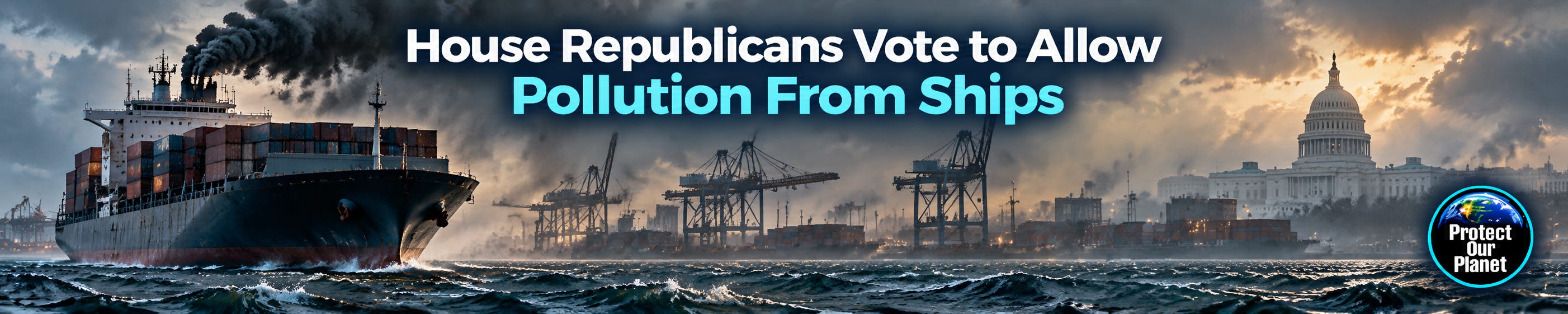
🚢 House Republicans Vote to Allow Pollution From Ships
California’s ability to enforce pollution rules for ships and commercial vessels is being challenged in Congress.
The rules aim to reduce smog and diesel exhaust around ports, including requiring some large ships to use electricity while docked instead of running diesel engines.
The House voted (216 to 211) with a Republican majority to revoke federal waivers allowing California to enforce the requirements. The measures would still need Senate passage and the president’s signature, while legal questions remain over whether the waivers can be overturned through the Congressional Review Act. Los Angeles Times
The human impact: Pollution rules may sound technical, but people living and working near ports breathe the exhaust produced by ships, trucks, and equipment every day.
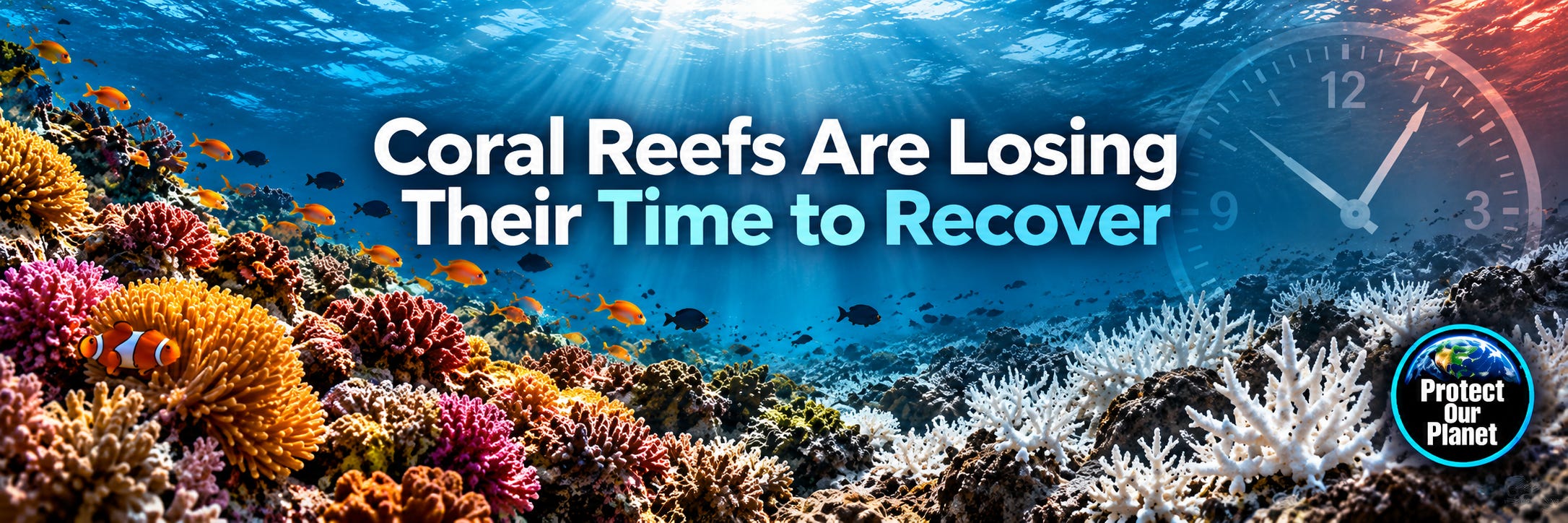
🪸 Coral Reefs Are Losing Their Time to Recover
A major global assessment found that average hard coral cover has declined 9.5% compared with the 1980-2009 reference period.
Researchers also found that the 2023 through 2025 global bleaching event caused a record 8.9% decline in a single year.
Corals can recover after bleaching. The problem is time. As marine heat waves become more frequent, reefs may be hit again before they recover.
The climate connection: Coral reefs support biodiversity, food supplies, livelihoods, tourism, and coastal protection. Local conservation can strengthen resilience, but researchers say reducing greenhouse gas emissions remains essential. Conservation news
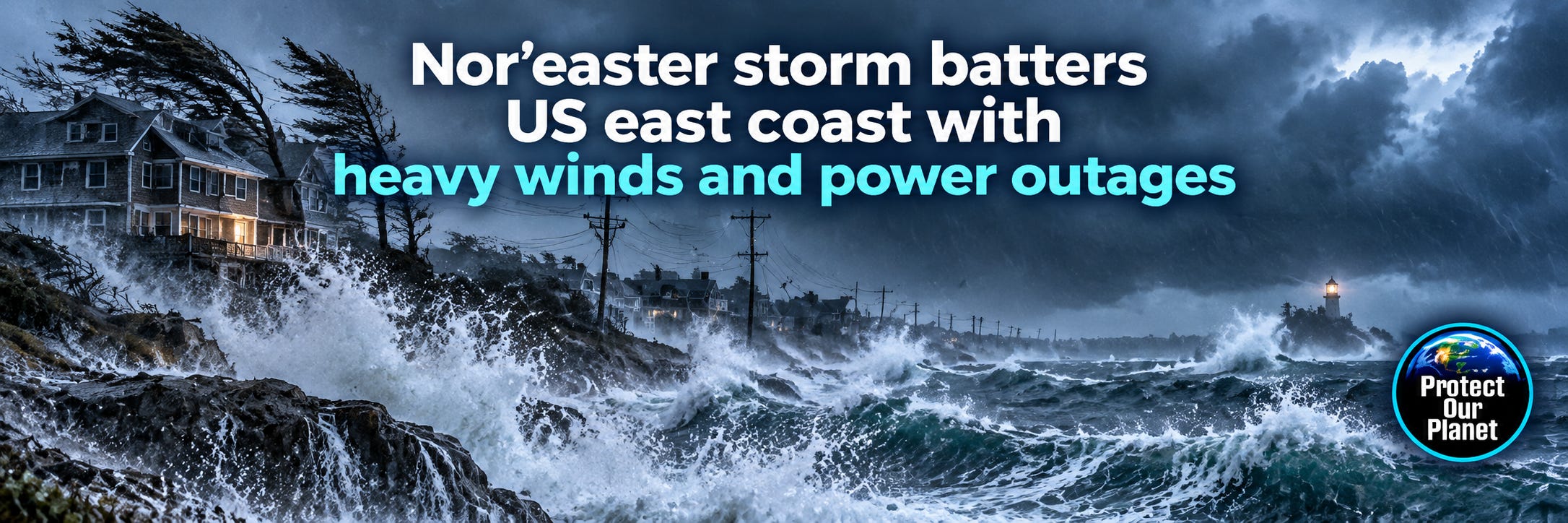
🌧️ A Powerful Nor’easter Floods the East Coast
A slow-moving nor’easter battered the northeastern United States with strong winds, heavy rain, dangerous waves, coastal flooding, and widespread power outages.
About 100,000 customers lost power as trees fell and streets flooded. Coastal communities from the Mid-Atlantic through New England also faced high water and worsening beach erosion. The storm disrupted transportation and prompted emergency responses in several states. The Guardian
What’s at stake: Stronger infrastructure, healthy dunes and wetlands, reliable power systems, and emergency planning can determine how well communities withstand dangerous coastal storms.
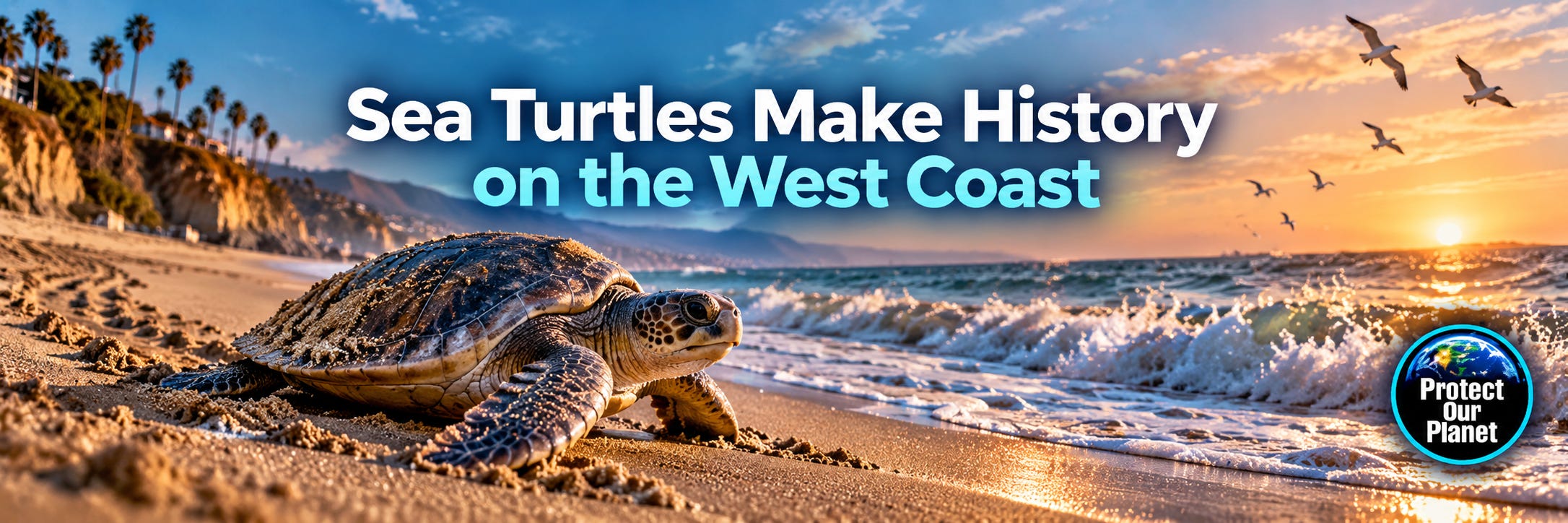
🐢 Sea Turtles Make History on the West Coast
An olive ridley sea turtle laid eggs on a Southern California beach, marking the first documented natural sea turtle nesting on the U.S. West Coast.
Scientists later determined that two different turtles appear to have nested on Orange County beaches. These turtles normally nest much farther south in Mexico and Central America.
Researchers have not determined why they moved north, although unusually warm Pacific waters may be contributing to tropical marine species appearing farther north. Officials fenced the nesting areas and asked beachgoers to stay away. WSOC-TV
A remarkable reminder: Wildlife can adapt in surprising ways, but unusual movements can also reveal changing ocean conditions. Protecting habitat gives species room to respond.
💔 Why This Matters
These stories may seem worlds apart: island nations threatened by rising seas, families breathing polluted air near ports, coral reefs struggling to recover, flooded East Coast communities, and sea turtles nesting far beyond their usual range.
But they are connected.
Our atmosphere, oceans, wildlife, infrastructure, and communities are part of the same system.
Environmental decisions can last for generations. So can pollution and habitat destruction.
But protection can last too.
A pollution rule can clean the air. A wetland can absorb floodwater. Protected habitat can give wildlife somewhere to survive. International agreements can preserve rights for communities facing rising seas.
The climate crisis is enormous.
That makes our choices matter more.

📣 Take Action This Week
Learn what climate change and environmental protection look like where you live.
Check your local or state environmental agency for information about air quality, flooding, habitat restoration, and climate resilience projects.
If you live near the coast, learn your flood zone and evacuation routes. If you encounter nesting sea turtles or other protected wildlife, keep your distance and report the sighting to the appropriate wildlife agency.
Knowing what is happening where we live is one of the simplest ways to become better guardians of the places we call home.
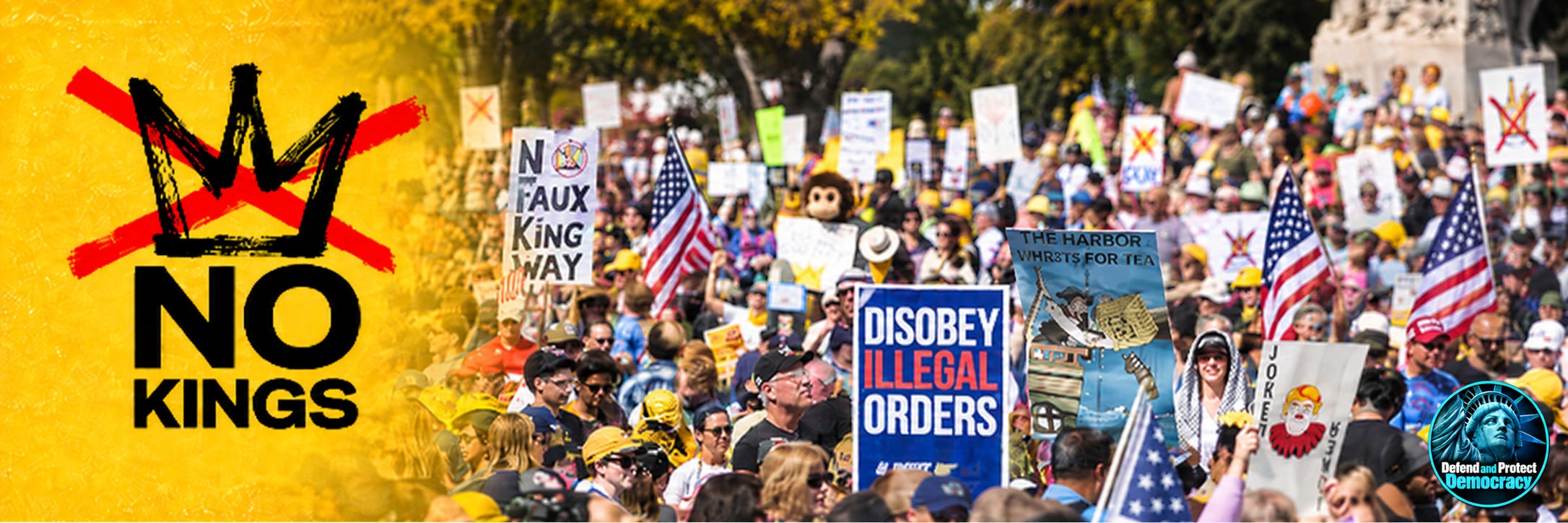
We are not powerless. And we are not alone.
Now we carry that energy from the streets to the ballot box.
Voting early is one of the simplest ways to make sure our voices are counted while helping our friends, families, and neighbors create their own voting plans.
On October 17, communities nationwide will come together for No Kings: Vote Early.
Whether you have joined every No Kings action or this is your first time stepping forward, there is a place for you.
HOW TO GET INVOLVED
📍 Find a No Kings: Vote Early event near you
🙋 Host a No Kings: Vote Early event
Can’t find an event near you? Bring one to your community. Gather your neighbors. Help make sure every voice is heard.
💚 One Thing to Carry With You
A sea turtle crawled onto a California beach where scientists had never documented one nesting before.
Across the world, island nations secured recognition that rising water does not erase their sovereignty.
Neither story means the climate crisis has disappeared.
They mean the future is still being written.
Environmental progress rarely arrives all at once.
It arrives through science, preparation, restoration, protection, accountability, and people who decide the places they love are worth caring for.
The warnings are real.
So is our ability to respond.
Together, we can protect our planet and build a just, sustainable future for generations to come.
Laurie Woodward Garcia, Leader, People Power United
People Power United | In this community, we speak out, show up, and build power against racism, xenophobia, Islamophobia, antisemitism, homophobia, misogyny, sexism, ageism, ableism, sizeism, elitism, transphobia, misogynoir, and bigotry.
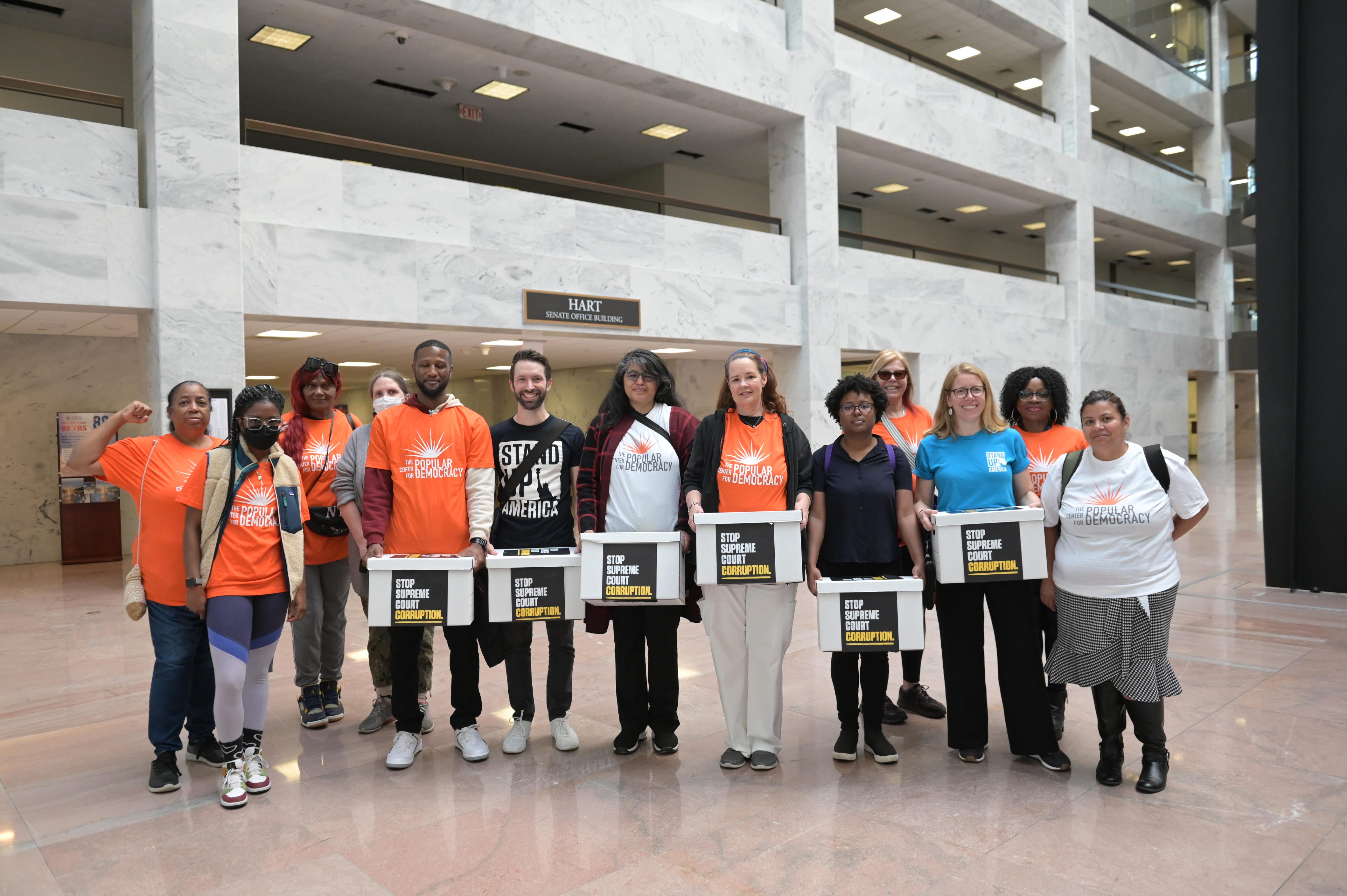
This is our moment to rise, resist, and reclaim our rights, freedoms, rule of law, and democracy. Millions of Americans are already refusing to back down — in the streets, at the ballot box, and in their communities.
Every movement that was ever won started with people who refused to quit. We are those people.
The future is not lost. It is being built — by us, right now.