

🌎 What’s Happening This Week in Protect Our Planet News
Climate change is no longer a distant warning. Scientists are sounding the alarm as extreme heat claims lives, the Trump administration moves to weaken pollution protections, and Antarctica’s changing waters raise new concerns.
But there is hope. In Australia, communities are working to protect precious wildlife habitat.
The stakes could not be higher. Protecting our planet means protecting people, wildlife, and the future we share.
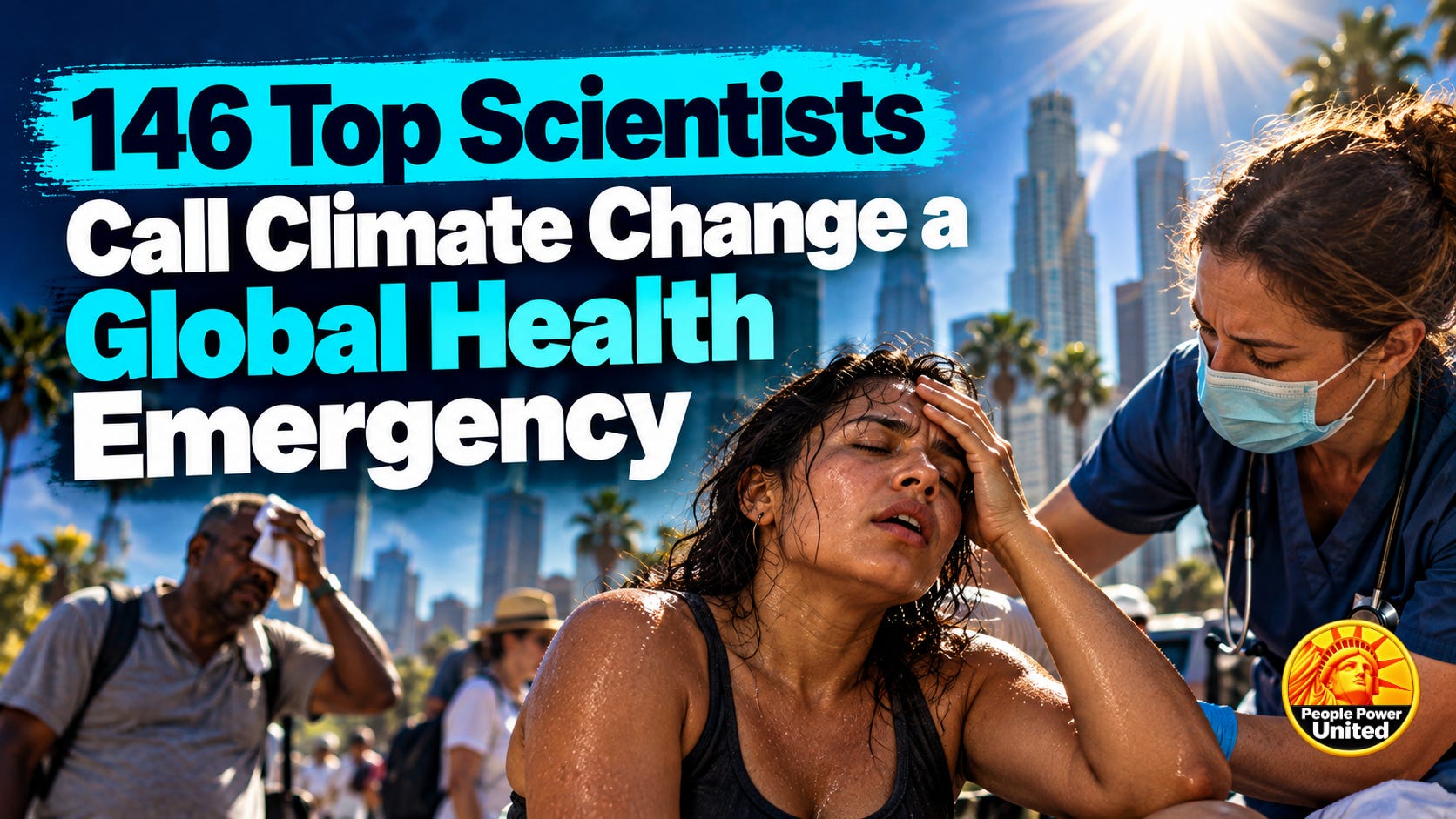
🌡️ The Big Story: 146 Top Scientists Call Climate Change a Global Health Emergency
A major international report is sounding the alarm: climate change is becoming a deadly public health emergency.
The 2026 Lancet Countdown, produced by 146 experts, estimates that heat contributed to a record 710,000 deaths worldwide in 2023. More than 70% were attributable to human-caused climate change.
Researchers also found that average annual heat-related deaths rose nearly 36% in the decade following the Paris Agreement compared with the previous decade. Science Alert
Why this matters: Extreme heat is endangering workers, overwhelming health systems, and putting vulnerable communities at greater risk.
Scientists are calling on world leaders to formally recognize climate change as a global health emergency and prioritize cleaner energy, stronger healthcare systems, and heat protections.
Climate action is not just about protecting the planet. It is about saving lives.
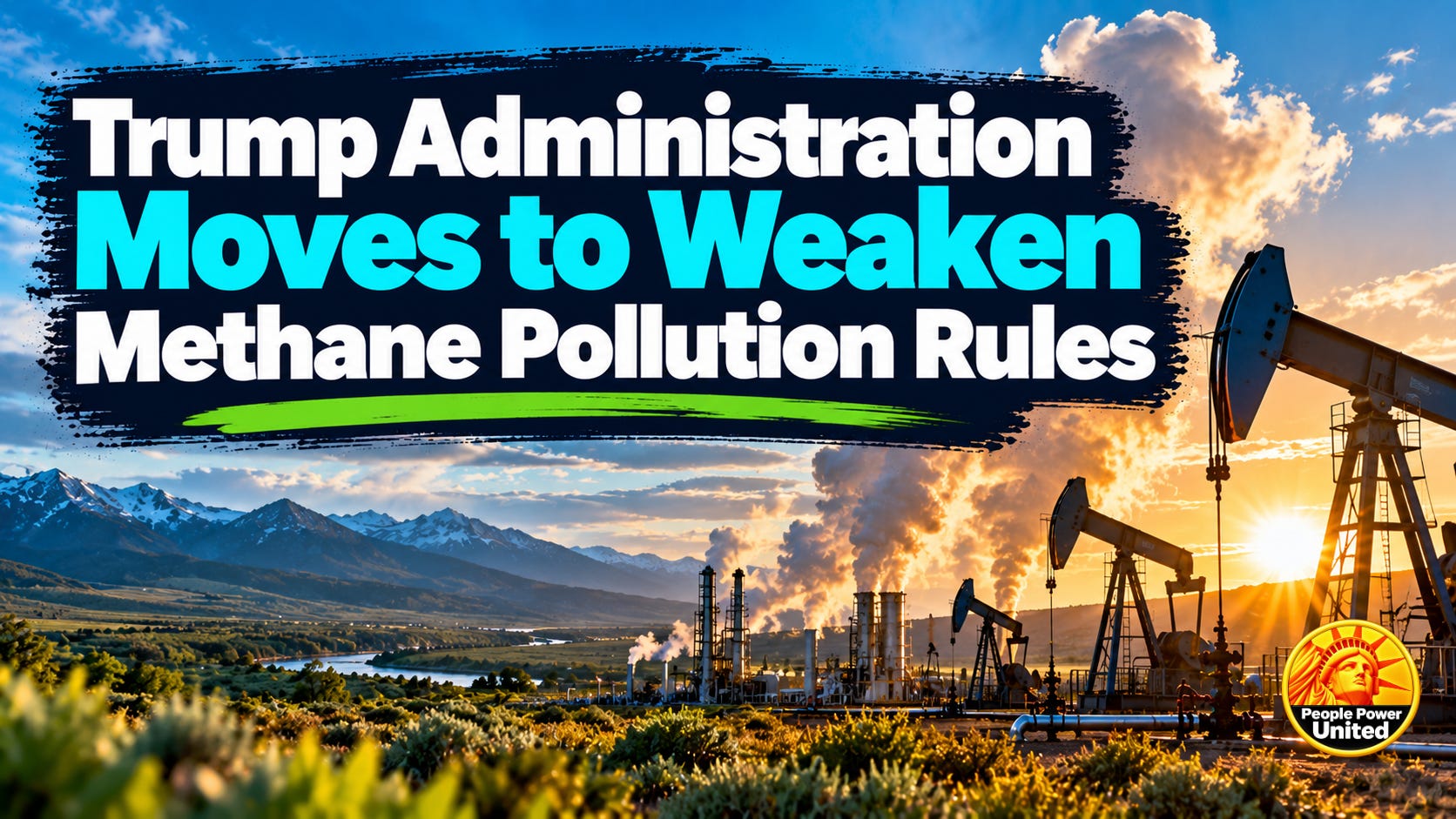
🏭 Trump Administration Moves to Weaken Methane Pollution Rules
The Trump administration is advancing plans to weaken federal restrictions on methane leaks from oil and gas operations.
The Environmental Protection Agency’s proposal would reduce monitoring requirements, loosen restrictions on routine flaring, and eliminate a program that helps identify major methane leaks through remote sensing.
Methane is a powerful greenhouse gas, with approximately 80 times the warming impact of carbon dioxide over its first 20 years.
Industry representatives argue that existing requirements impose excessive costs. The administration claims its changes would produce substantial savings.
Environmental advocates warn that weakened safeguards would increase climate pollution and expose communities near oil and gas facilities to additional health risks. Grist
Why this matters: These changes are proposed, not a completed elimination of every existing safeguard. Public scrutiny and regulatory accountability remain essential.
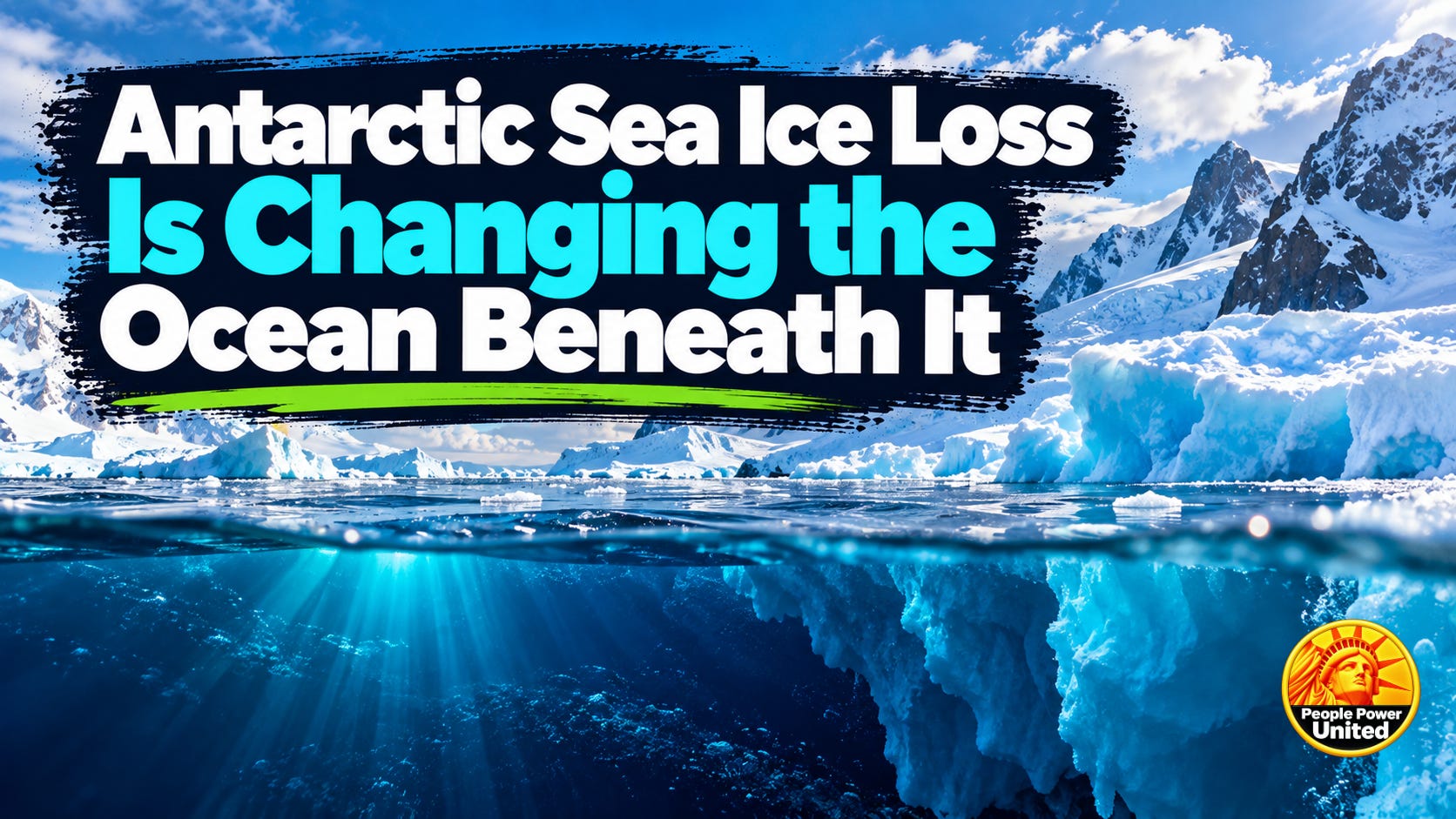
🧊 Antarctic Sea Ice Loss Is Changing the Ocean Beneath It
New scientific research has uncovered troubling changes in the waters surrounding Antarctica.
Scientists studying Antarctic Intermediate Water found that rapid sea-ice losses since 2016 have reversed earlier trends in ocean salinity.
Instead of becoming progressively fresher, a major layer of ocean water is becoming saltier and denser.
These waters help redistribute heat, carbon, oxygen, and nutrients across connected ocean systems.
Scientists caution that the longer-term consequences remain uncertain. More monitoring is needed to understand how persistent the changes may become. Nature
Why this matters: Antarctica influences ocean conditions far beyond the polar region. Changes beneath the surface could eventually affect marine ecosystems and global climate patterns.
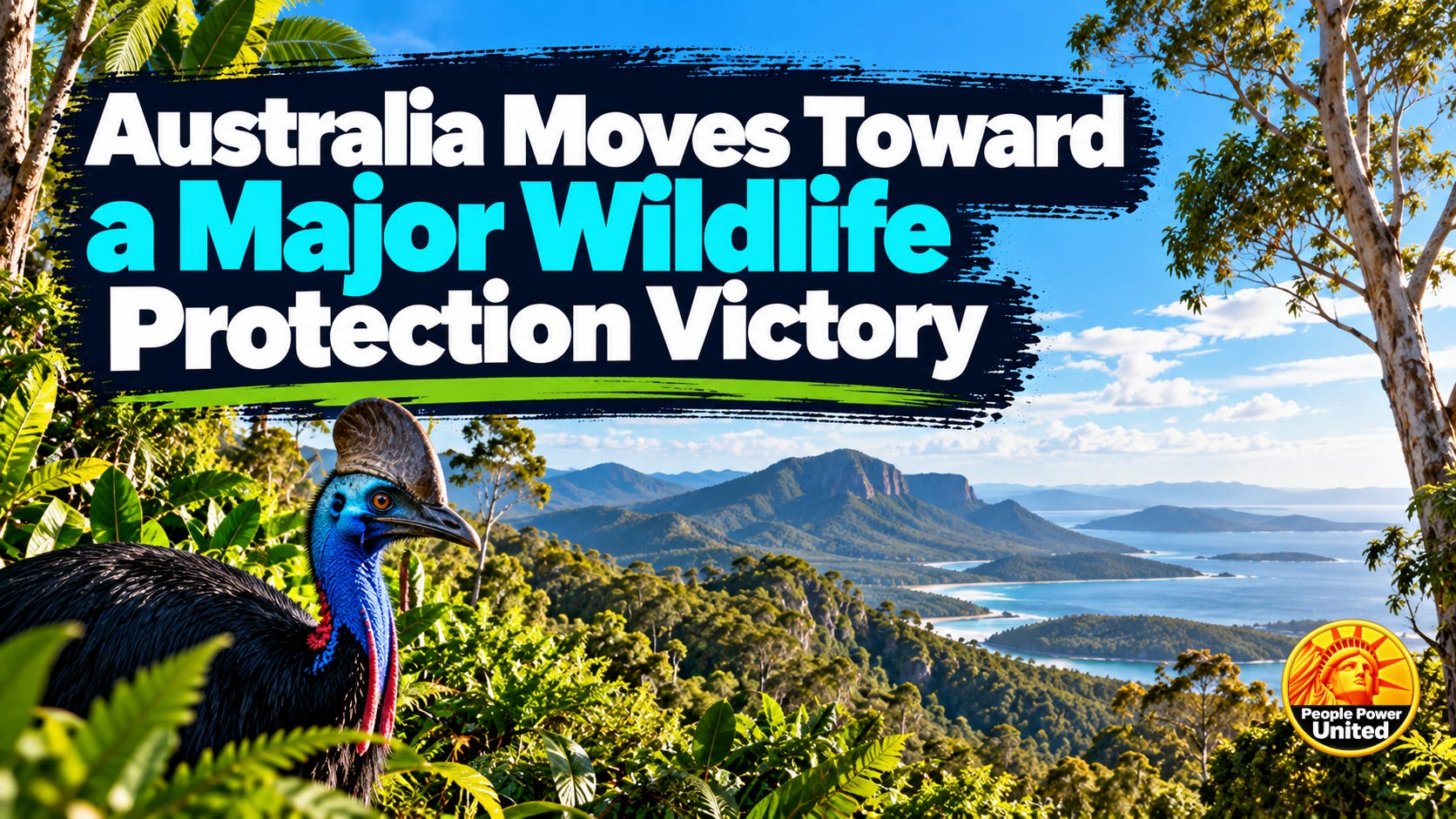
🌳 Australia Moves Toward a Major Wildlife Protection Victory
In Australia’s far north, conservationists and Indigenous custodians are working to protect more than 20,000 hectares of ecologically important land.
The Wooroora property connects rainforest, wet woodland, and savanna habitats. It supports at least 12 threatened species, including cassowaries and tree-kangaroos.
More than $19 million has been raised toward acquiring the land, with additional funding still needed to complete the purchase and support initial management.
Jirrbal traditional custodians hope the acquisition will restore access to ancestral places and create opportunities for joint stewardship.
The land could also strengthen a much larger wildlife corridor across northern Queensland. The Guardian
Why this matters: The purchase is not yet complete. But the effort demonstrates how conservation funding and Indigenous leadership can work together to protect biodiversity, culture, and future generations.

💚 Good News Worth Carrying With You
Friends,
I keep thinking about the people working to protect that extraordinary stretch of land in Australia. A place where cassowaries walk beneath rainforest canopies. Where tree-kangaroos find shelter. Where Indigenous families hope to reconnect with the land that holds their history.
That future is not guaranteed.
Neither is clean drinking water, healthy air, or a stable climate.
But none of these losses are inevitable simply because powerful interests would prefer we look away.
We refuse to look away.
We can demand answers. We can defend science. We can organize, restore, and protect.
And we can insist that our United States government serves the people and the planet.
Our future is worth protecting. And together, we have the people power to protect it.
Laurie Woodward Garcia | Leader, People Power United | In this community, we speak out, show up, and build power against racism, xenophobia, Islamophobia, antisemitism, homophobia, misogyny, sexism, ageism, ableism, sizeism, elitism, transphobia, misogynoir, and bigotry. Freedom over fascism. Progress over fear. Power to the People.

Protect Our Planet is part of People Power United’s independent, people-powered news and action network.
Do you enjoy independent news sources powered by people, not corporate special interests?
Subscribe to Protect Our Planet for free, or become a paid supporter to help keep independent, people-powered news free and accessible to everyone. Corporate special interests have money and influence. We have people power. Stand with us, support independent news, and help ensure the truth remains louder than the powerful interests trying to silence it.
Absolutely !!!